
A Guide to Choosing the Right Plug Socket for Your Needs
Choosing the right plug socket may seem like a simple decision, but it’s one that can significantly impact your electrical safety and convenience at home or in the office. With the variety available in the market today, understanding what you need and the specifications of different sockets will save you from potential hazards and ensure suitable functionality. In this guide, we will delve into the various types of plug sockets, their uses, and how to select the best option for your needs.
Understanding Plug Socket Types
Plug sockets are not all created equal. They are designed to accommodate different types of plugs and electrical standards that vary by country. Familiarizing yourself with the various socket types will help you avoid compatibility issues.
Type A and B: Common in North America, these sockets are often used for standard household appliances. Type A has two flat parallel pins, whereas Type B includes a grounding pin.
Type C: This type is used widely in Europe and Asia. It is a two-pin plug that can accommodate grounded and ungrounded devices.
Type G: Found primarily in the UK and some parts of Asia, this socket has three rectangular prongs in a triangular configuration, which provides good safety due to its fuse links.
Image Placeholder

Assessing Your Electrical Needs
Every home has different power requirements. When choosing a plug socket, it is essential to consider the types of devices you will be connecting.
For example, high-power appliances such as refrigerators, washing machines, or air conditioners usually require dedicated circuits with appropriate sockets and wiring. You might need a Type G socket for the UK or explore high-amperage plugs for your devices.
On the other hand, devices like chargers for smartphones, laptops, or low-power gadgets can be accommodated with more common sockets like Type A or Type C. It is wise to buy sockets that can handle the maximum load of your appliances, which typically ranges from 10A to 16A, depending on your country's regulations.
Image Placeholder
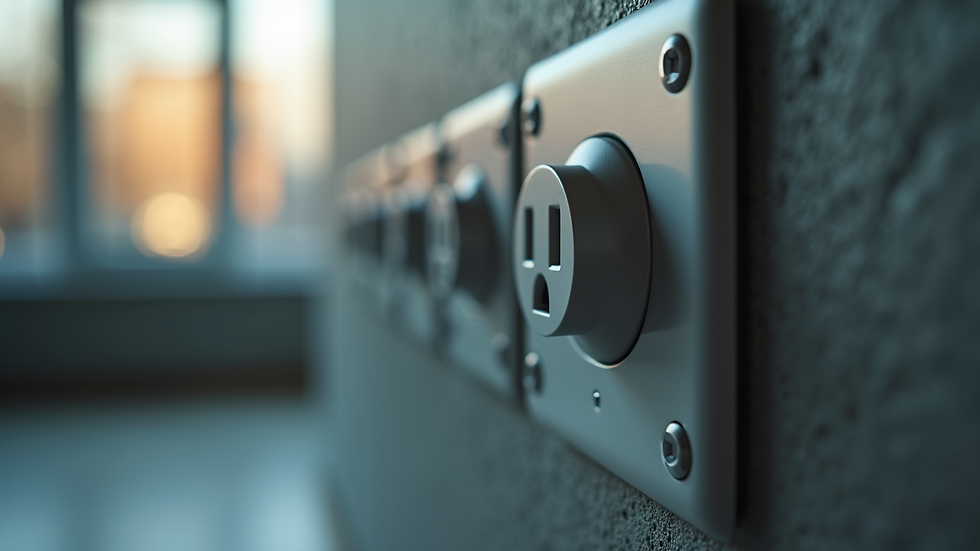
Safety Features to Consider
Safety should always be a priority when selecting plug sockets. Here are some important features to look for:
Surge Protection: This feature helps to protect your devices from electrical surges. Socket strips with built-in surge protection can be a smart addition, especially for high-value electronics.
Shutter Mechanism: Sockets with this feature prevent foreign objects from being inserted, adding an additional layer of safety for homes with children.
RCD Protection (Residual Current Device): This mechanism disconnects the circuit if it detects an imbalance between the live and neutral wires, offering protection against electric shocks.
Engaging these safety features can provide peace of mind and ensure that your home is equipped against electrical risks.
Installation Considerations
Proper installation of plug sockets is crucial for safety and functionality. Here are some guidelines to follow:
Hire a Certified Electrician: While DIY projects can be tempting, electrical work can pose serious risk if not done right. Professionals will ensure that installations comply with local electrical codes and regulations.
Location of Sockets: Consider where you’ll need power most. Common areas like living rooms, bedrooms, and kitchens should have sockets positioned conveniently to avoid using extension cords unnecessarily.
Accessibility: Taller or hard-to-reach areas may require more robust mounting solutions. Choose sockets at a height that is both comfortable and safe to access.
Image Placeholder

Future Proofing Your Electrical Setup
Technology changes fast, and the same goes for electrical devices. Here are a few tips to future-proof your plug socket choices:
USB Ports: Many modern plug sockets now come with built-in USB ports, reducing the need for multiple adapters and keeping charging convenient.
Smart Sockets: These allow remote management of devices through smartphone apps, giving you more control over your energy consumption and device usage.
Compatibility: Choose sockets that are compatible with multiple plug types to avoid the hassle of purchasing adapters in the future.
By considering future needs, you can ensure your sockets adapt as your technology evolves, allowing for seamless integration with new devices.
Final Thoughts on Choosing the Right Plug Socket
Investing time in selecting the correct plug socket can have long-term benefits. From safety to future-proofing your electrical needs, understanding the different types of sockets, assessing your power distribution requirements, and factoring in safety features will all contribute to a more reliable and efficient home electrical system.
When searching for the right plugs, be sure to consider the ur plug socket options that suit your specific needs. Your space deserves to be safe, functional, and perfectly tailored to your requirements. Make informed decisions, and you’ll enhance your home or office’s convenience and security.


Comments